
Beyond "No Estoy Loco": Breaking the Stigma Around Mental Health in the Latino Community

The Latino community is one of the fastest-growing and most vibrant communities in the United States. We see that growth everywhere—in our neighborhoods, schools, businesses, churches, and workplaces. It's something to celebrate.
But behind many smiles and successes, there are also stories of anxiety, depression, grief, trauma, and overwhelming stress that often go unseen. At Light the Way Counseling Center, we believe those stories deserve to be heard.
The Silent Struggle
The Latino community is known for its resilience. We work hard, care deeply for our families, and often put the needs of others before our own. Those qualities are beautiful strengths—but they can also make it difficult to admit when we're struggling.
Balancing family expectations, financial pressures, cultural identity, immigration experiences, discrimination, or simply the demands of everyday life can leave people feeling exhausted, anxious, or alone. Many Latinos carry heavy emotional burdens while feeling like they have to stay strong for everyone else.
The truth is, needing support doesn't make you weak. It makes you human.
"No Estoy Loco"
As a Latino therapist, there's one phrase I've heard more times than I can count:
"No estoy loco." ("I'm not crazy.")
Sometimes people say it with a nervous laugh. Sometimes they say it because they're trying to convince themselves as much as anyone else.
For many of us, that phrase reflects something we've heard growing up—that therapy is only for people who are "crazy," that asking for help means you're weak, or that faith alone should be enough to carry every burden. Those beliefs have kept far too many people from getting the support they deserve.
Here's what I want you to know:
Seeking therapy doesn't mean you're "loco."It doesn't mean you've failed. It doesn't mean your faith is weak.
It means you're choosing to care for your emotional well-being the same way you would care for your physical health. It means you're investing in yourself, your relationships, and your future.
That takes courage.
You Shouldn't Have to Explain Your Culture
One of the concerns I hear most often is: "Will my therapist understand where I'm coming from?" It's an important question.
Culture shapes how we view family, emotions, faith, relationships, responsibility, and even mental health itself. As a Spanish-speaking Latino therapist, I understand many of those experiences firsthand. You shouldn't have to spend your first sessions explaining family traditions, translating your thoughts, or wondering if someone truly understands the cultural values that have shaped your life.
You deserve a space where you feel seen, heard, respected, and understood.
Healing Is Possible
Whether you're struggling with anxiety, depression, relationship challenges, family conflict, grief, or simply feeling overwhelmed, you don't have to carry it all by yourself. Healing doesn't happen because we're perfect. Healing begins when we're honest enough to say, "I could use some support." That's not weakness.
That's strength.
We're Here for You
At Light the Way Counseling Center, it's a privilege to walk alongside Latino individuals, couples, and families as they navigate life's challenges. Our goal isn't simply to provide therapy—it's to provide a place where you can feel safe, understood, and supported without judgment.
If you've ever found yourself saying, "No estoy loco," we want you to hear something different today:
You don't have to be "loco" to ask for help. You only have to be willing to take the first step. We're here when you're ready.
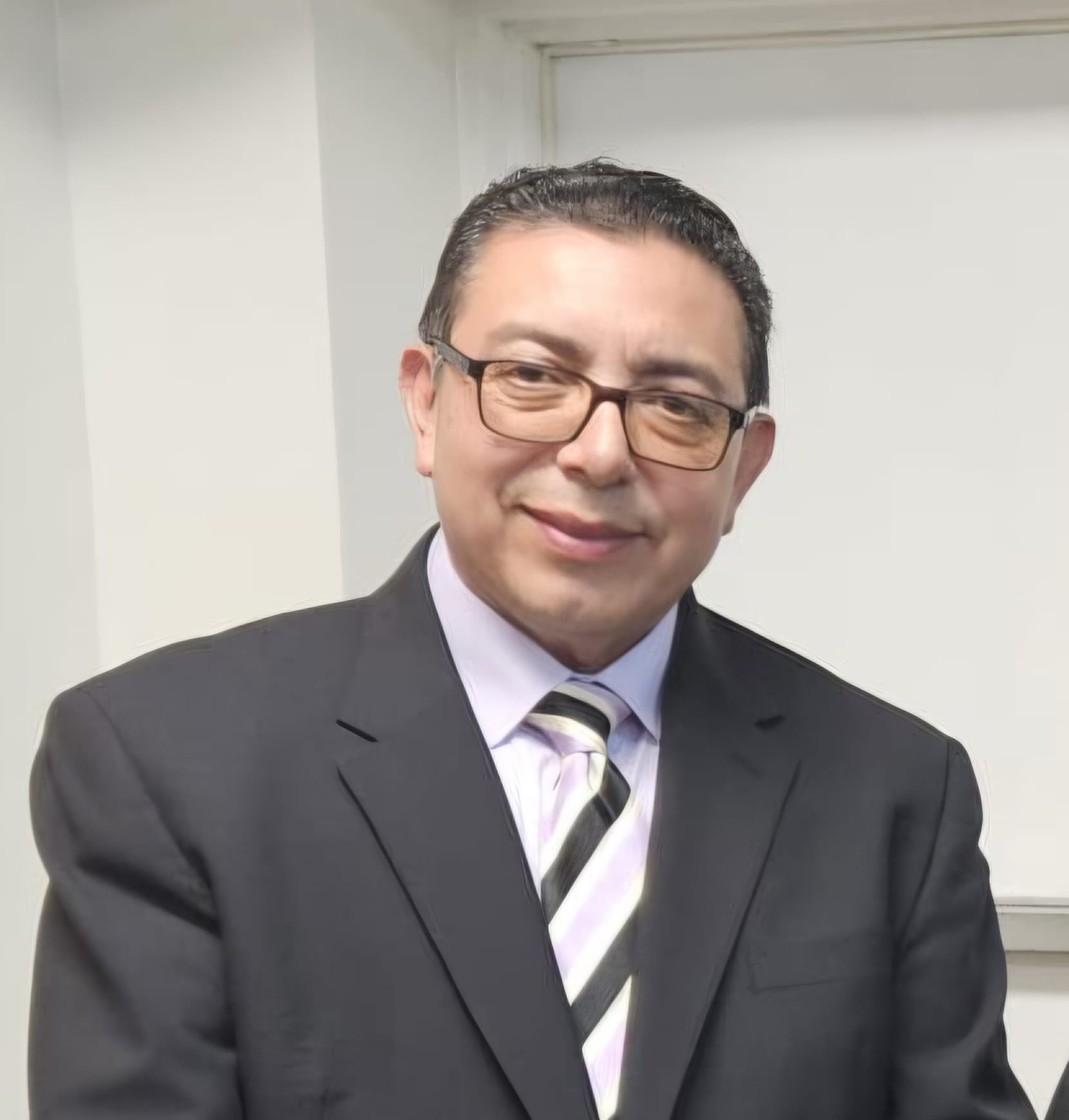
Selvin Galvan, MA, LAMFT
Helping individuals, couples, and families to navigate life’s challenges. Selvin is available in Midland Park and Somerset, as well as telehealth.
