

School's Back, but Your Child Is Still Struggling? Here's How to Help
We are officially two to three weeks into the new school year. The initial first-day excitement has settled, and the reality of the daily routine has set in. Early alarms, packing lunches, rushing out the door, and braving the morning traffic- it is a lot for any family to handle!

Stuck in Survival Mode? How to Feel Safe, Calm, and Present Again
There is a particular kind of exhaustion that comes from living through years of uncertainty.
For many of us, adulthood has unfolded against a backdrop of economic instability, rising unemployment, a rising cost of living, and a job market that can feel harder to navigate than ever. Money doesn't seem to go as far as it once did. The things we were told would signify stability, such as owning a home, having a secure career, building savings, and feeling confident about the future, can all feel increasingly out of reach.

Why Your Partner Doesn't Feel Heard (And How to Change That)
In working with couples, I have found one concept that is often unknown or misunderstood: validation.
During conflict, we need to slow things down long enough to validate our partner’s point of view. The good news is that validation is a skill we can learn and practice until it becomes more natural and, eventually, second nature.

Co-Parenting After Divorce: How to Communicate With Your Ex
Your marriage ended. Your parenting relationship didn't.
When children are involved, divorce doesn't mean you can simply walk away from your former spouse. There will still be school events, holidays, birthdays, medical decisions, schedules, and countless everyday parenting conversations.
And when the divorce was painful, communicating with your ex can feel incredibly difficult.
You don't have to become friends. You don't have to agree on everything. But learning to communicate respectfully, establish healthy boundaries, and keep your children out of adult conflict can make a meaningful difference in their lives.
The goal isn't to have a perfect relationship with your ex. It's to build a healthier parenting relationship for your children.

Why Am I So Tired? When Rest Isn’t What You Really Need
Getting enough sleep—but still feel completely exhausted?
Sometimes being tired isn't about needing another hour of sleep. Stress, emotional exhaustion, relationship demands, constant stimulation, and trying to do too much can leave you feeling drained even when you've had time to rest.
So instead of asking, “How can I get more rest?” try asking:
“What is draining me?”
Your body, your mind, your relationships, your schedule, and even your spiritual life can all affect how much energy you have.
Sometimes feeling better doesn't mean adding another self-care activity to your already-full day. It may mean saying no, setting a boundary, asking for help, or simply giving yourself permission to stop doing so much.
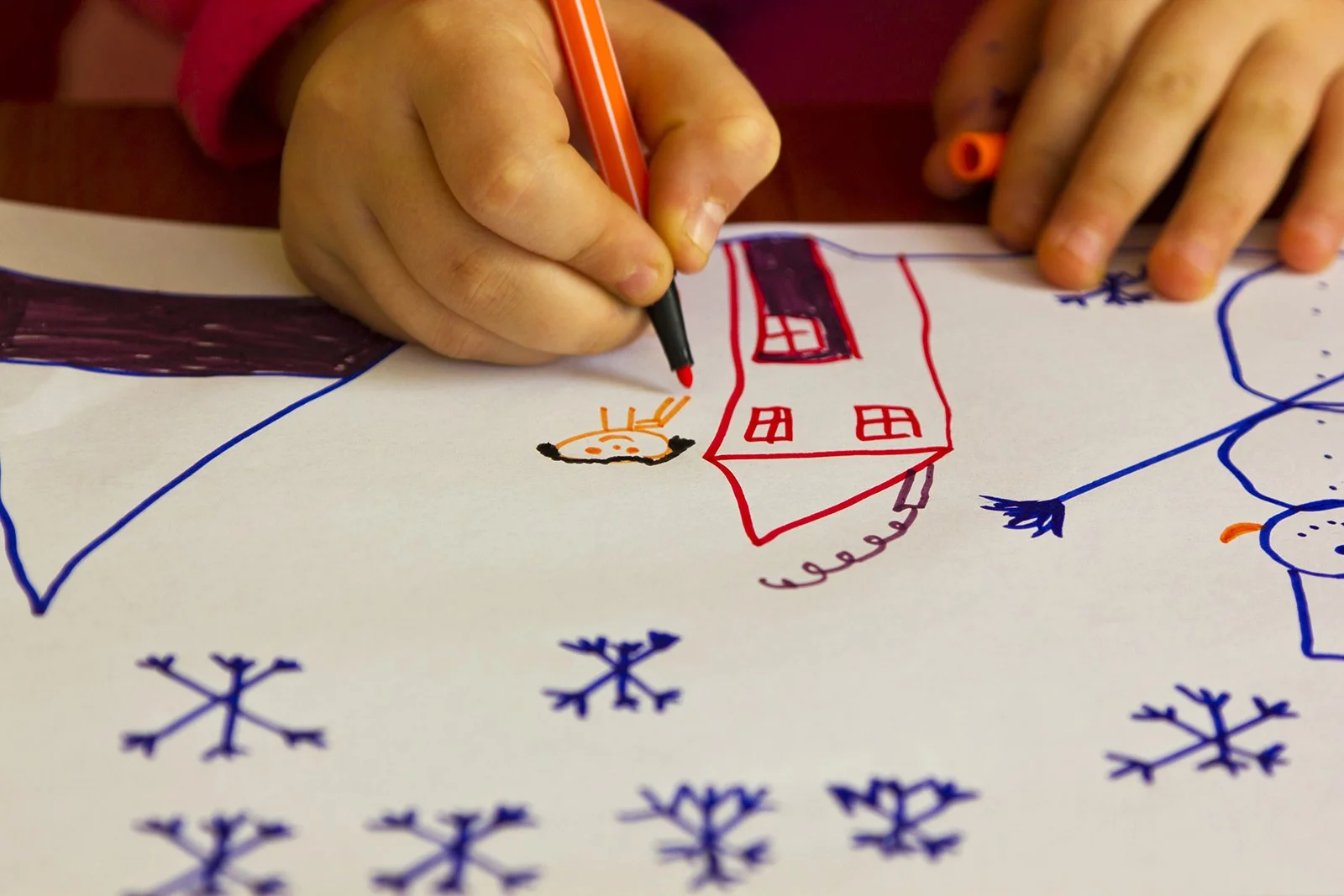
Art Therapy for Children With Anxiety and Depression: Understanding What Their Art May Reveal
What can a child’s artwork tell you about how they’re feeling? 🎨
Children don’t always have the words to explain anxiety, sadness, stress, or what’s happening at home or school. Through art therapy, drawing can become another way for children to communicate and explore emotions in a safe, supportive environment.
A drawing isn’t a diagnosis—but when explored with a trained therapist and considered alongside a child’s behavior, emotions, and experiences, it can provide meaningful insight into their inner world.

The Anxiety-Avoidance Cycle: Why Avoiding Anxiety Makes It Worse
Avoiding what makes us anxious can feel like relief—but that relief may be temporary. Learn how avoidance can reinforce anxiety and keep the cycle going.

Stop Having the Same Argument: Healthy Conflict Resolution for Couples
Every couple argues. Conflict is a normal part of any healthy relationship. What matters most isn’t whether you disagree—it’s how you handle those disagreements.
Learning healthy ways to manage conflict can feel overwhelming for anyone who has never learned to do so. Experiencing conflict can become an opportunity to understand one another, strengthen trust, and grow closer when it’s handled with respect and care.

When Was the Last Time You Felt Like Yourself? Signs of Anxiety and Depression
Life has a way of filling every empty space.
Work. Family. Relationships. Deadlines. Responsibilities.
Before long, you're just trying to make it through the week, telling yourself that once things settle down, you'll finally have time to breathe.
But what if they never do?
Sometimes we become so used to surviving that we stop asking ourselves a simple question:

Beyond "No Estoy Loco": Breaking the Stigma Around Mental Health in the Latino Community
The Latino community is one of the fastest-growing and most vibrant communities in the United States. We see that growth everywhere—in our neighborhoods, schools, businesses, churches, and workplaces. It's something to celebrate.
But behind many smiles and successes, there are also stories of anxiety, depression, grief, trauma, and overwhelming stress that often go unseen. At Light the Way Counseling Center, we believe those stories deserve to be heard.

AI and Our Children: What Parents Need to Know About AI Chatbots
As AI tools become more accessible, it’s important for families to understand how children and teens are engaging with them.
While platforms like ChatGPT require parental consent for users ages 13 to 18, many companies acknowledge that children as young as nine may still find ways to access these tools.
AI itself is not new, but the rise of companion bots has prompted fresh questions about how young people interact with technology.

School's Out... Now What? Helping Your Teen Thrive This Summer
As the school year comes to an end, it can be an exciting time for teenagers. All final exams are over, and the grades are in!
Summer break is beginning, and the pressure from the school year is fading; a much more relaxing time is approaching. While summer often brings a sense of relief, it can also be a significant transition for teens and their families.