

School's Back, but Your Child Is Still Struggling? Here's How to Help
We are officially two to three weeks into the new school year. The initial first-day excitement has settled, and the reality of the daily routine has set in. Early alarms, packing lunches, rushing out the door, and braving the morning traffic- it is a lot for any family to handle!
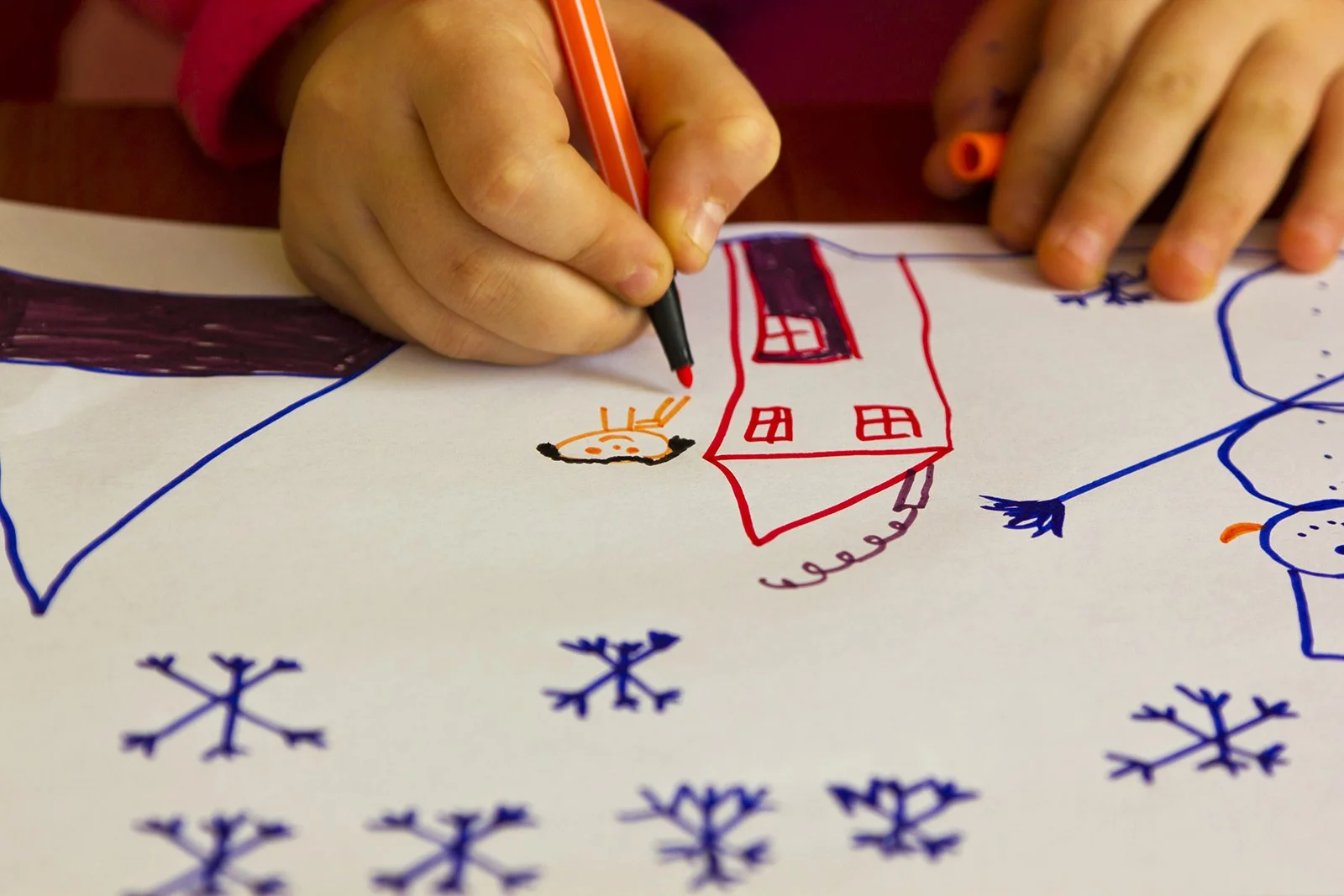
Art Therapy for Children With Anxiety and Depression: Understanding What Their Art May Reveal
What can a child’s artwork tell you about how they’re feeling? 🎨
Children don’t always have the words to explain anxiety, sadness, stress, or what’s happening at home or school. Through art therapy, drawing can become another way for children to communicate and explore emotions in a safe, supportive environment.
A drawing isn’t a diagnosis—but when explored with a trained therapist and considered alongside a child’s behavior, emotions, and experiences, it can provide meaningful insight into their inner world.

AI and Our Children: What Parents Need to Know About AI Chatbots
As AI tools become more accessible, it’s important for families to understand how children and teens are engaging with them.
While platforms like ChatGPT require parental consent for users ages 13 to 18, many companies acknowledge that children as young as nine may still find ways to access these tools.
AI itself is not new, but the rise of companion bots has prompted fresh questions about how young people interact with technology.

School's Out... Now What? Helping Your Teen Thrive This Summer
As the school year comes to an end, it can be an exciting time for teenagers. All final exams are over, and the grades are in!
Summer break is beginning, and the pressure from the school year is fading; a much more relaxing time is approaching. While summer often brings a sense of relief, it can also be a significant transition for teens and their families.

Beyond the Tantrum: Understanding What Your Child Needs Most
Clinical Psychologist Dr. Becky Kennedy says it’s helpful to think about tantrums this way: kids are born with all of the feelings and none of the skills to manage those feelings. Kids have tantrums when they have big feelings without the skills to handle those feelings. We call the management of feelings, emotion regulation skills, and it’s our job as parents and caregivers to teach kids the skills to handle their feelings.

When Should I Discuss Sex With my Child?
Most of us agree that our culture is saturated with inappropriate images and distortions of the human body and sex. Often, parents feel uncomfortable and avoid directly discussing sexual character and maturation with their children. Some parents discuss anatomy, puberty, and sex with their sons and daughters in ways that emphasize fear, shame, or that it’s a topic that is hidden and not discussed. When parents step into their leadership role, they become their child’s trusted advisors by using age-appropriate language about anatomy and maturation and equipping their child with accurate knowledge that builds confidence about sexuality and character for life.

Is Your Child Disciplined or Just Afraid to Mess Up? How to Tell the Difference.
Discipline that Builds Character, not Fear. Most parents are not trying to be harsh. They are trying to raise strong, respectful, and loving kids. But here is a question worth slowing down for:
Are we building character, or just controlling behavior? A child can comply because they are afraid, but they can also comply because they understand. Those two paths lead to very different outcomes.

When Your Child Is Quiet in Therapy: Why That’s Not a Bad Sign

When Kids ‘Won’t'… but Actually 'Can't Yet': Seeing Misbehavior as Developmental Differences
When Kids ‘Won’t… but Actually 'Can't Yet': Seeing Misbehavior as Developmental Differences - Understanding the "Can't Yet" Perspective

Loneliness: The Epidemic No One Talks About
Loneliness isn’t weakness—it’s a sign that you need connection. Learn small, powerful ways to reconnect with others and begin healing from isolation.

Making Peace with Stress: Tools to Help You Breathe Easier
Stress is a part of life, but it doesn’t have to overwhelm you. Learn how to work with stress using five practical, evidence-based tools—from body-based techniques to gratitude practices—that can help you feel more grounded, capable, and at peace.

Building Bridges: How Parents Can Connect with Their Teens While Respecting Privacy and Keeping Them Safe
Raising teens can feel like walking a tightrope—balancing connection with independence, privacy with protection, and structure with flexibility. But meaningful connection is possible. With open communication, shared boundaries, and intentional moments of presence, parents can remain close to their teens while still giving them the space they need to grow.