

Stuck in Survival Mode? How to Feel Safe, Calm, and Present Again
There is a particular kind of exhaustion that comes from living through years of uncertainty.
For many of us, adulthood has unfolded against a backdrop of economic instability, rising unemployment, a rising cost of living, and a job market that can feel harder to navigate than ever. Money doesn't seem to go as far as it once did. The things we were told would signify stability, such as owning a home, having a secure career, building savings, and feeling confident about the future, can all feel increasingly out of reach.

Why Am I So Tired? When Rest Isn’t What You Really Need
Getting enough sleep—but still feel completely exhausted?
Sometimes being tired isn't about needing another hour of sleep. Stress, emotional exhaustion, relationship demands, constant stimulation, and trying to do too much can leave you feeling drained even when you've had time to rest.
So instead of asking, “How can I get more rest?” try asking:
“What is draining me?”
Your body, your mind, your relationships, your schedule, and even your spiritual life can all affect how much energy you have.
Sometimes feeling better doesn't mean adding another self-care activity to your already-full day. It may mean saying no, setting a boundary, asking for help, or simply giving yourself permission to stop doing so much.

Beyond "No Estoy Loco": Breaking the Stigma Around Mental Health in the Latino Community
The Latino community is one of the fastest-growing and most vibrant communities in the United States. We see that growth everywhere—in our neighborhoods, schools, businesses, churches, and workplaces. It's something to celebrate.
But behind many smiles and successes, there are also stories of anxiety, depression, grief, trauma, and overwhelming stress that often go unseen. At Light the Way Counseling Center, we believe those stories deserve to be heard.

Making Space for Sadness: Why Feeling It Is Part of Healing
Sadness is one of the most misunderstood emotions we see in counseling—especially among Christians who deeply value hope, gratitude, and faith. Many people quietly believe that if they feel sad, they are failing spiritually or emotionally.
In reality, sadness is not a weakness—it is information.
Replay. Analyze. Worry. Repeat
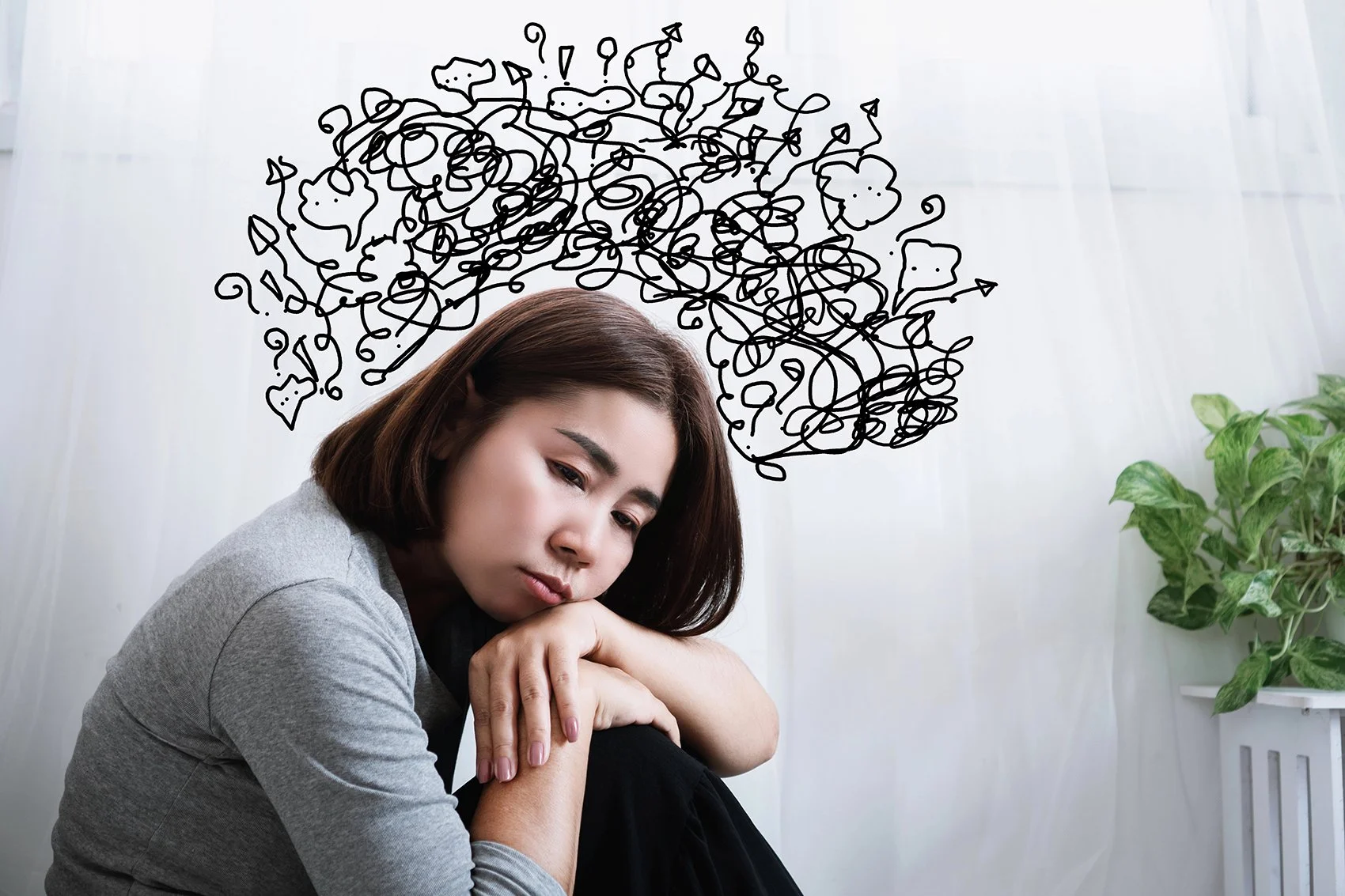
Overthinking is something many clients talk about in counseling, even if they don’t always call it that. Usually, it sounds more like: “I can’t shut my brain off,” “I keep replaying the conversation over and over,” or “I know I’m probably making this bigger than it is, but I can’t stop thinking about it.

Letting Go of Control: What It Really Means to Surrender
As human beings, we’re built for survival, and for a long time, control helped keep us safe. Even now, it still serves a purpose. We make choices, set boundaries, and shape parts of our lives. That can feel grounding, even empowering.
But what happens when life doesn’t cooperate? When something unexpected hits, or when, no matter how tightly we try to hold things together, it still falls apart? For many of us, control quietly shifts from being helpful to becoming exhausting. And sometimes, without realizing it, control itself becomes the thing keeping us stuck.

Barriers to Building Self-Esteem—and God’s Pathway to Freedom
Self-esteem is often misunderstood in both Christian and clinical spaces. Some view it as prideful or self-focused, while others chase it through performance, approval, or perfection. In counseling, we often discover that impaired self-esteem is not about a lack of effort—it is about believing things that are not true.
False beliefs shape how we see ourselves, how we relate to others, and how we experience God. These beliefs carry consequences. The good news is that Scripture offers not vague encouragement, but specific solutions—and those solutions produce measurable change.

Grieving—what is it, and how does one do it?
Why We See What We Expect to See
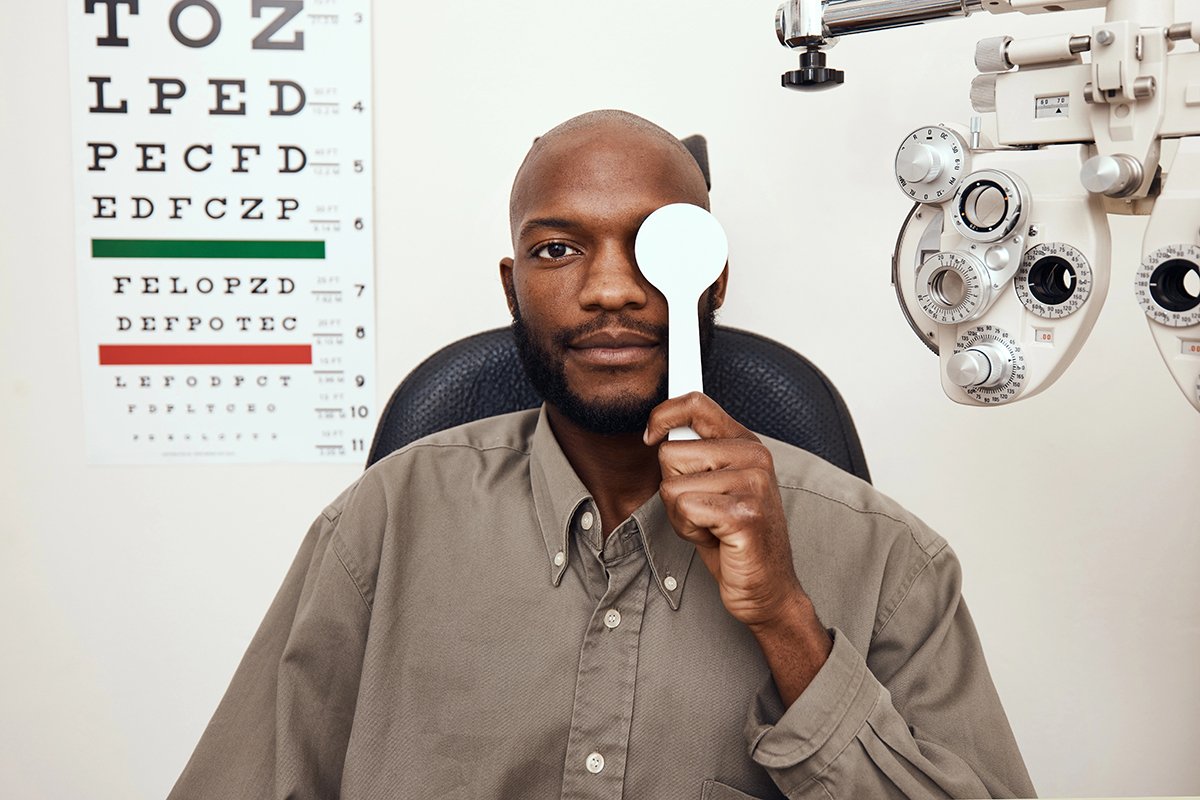
Why We See What We Expect to See

Learning to Accept: Building Tolerance for Hard Emotions
Learning to Accept: Building Tolerance for Hard Emotions
There is a well-known quote attributed to Carl Jung: “What you resist persists.”
What Jung wanted people to know was that the more you try to push away, deny, or fight a problem, feeling, or thought, the more it intensifies.
When it comes to emotions, this is certainly true. When we experience difficult or uncomfortable emotions like fear, dread, regret, and even grief, it’s tempting to resist feeling these emotions by pushing them away, ignoring them, or drowning them in something else, like work or alcohol.
This resistance to discomfort and pain is a natural response. Afterall, who likes to experience discomfort and pain?
While resisting these difficulties might seem like a good idea in the moment, the route of resistance comes with a price.

Loneliness: The Epidemic No One Talks About
Loneliness isn’t weakness—it’s a sign that you need connection. Learn small, powerful ways to reconnect with others and begin healing from isolation.

Making Peace with Stress: Tools to Help You Breathe Easier
Stress is a part of life, but it doesn’t have to overwhelm you. Learn how to work with stress using five practical, evidence-based tools—from body-based techniques to gratitude practices—that can help you feel more grounded, capable, and at peace.